
The Secret to Perfect Frozen Chicken Cuts vs Whole: A Comprehensive Guide to Texture, Flavor, and Convenience
Introductory note: Frozen chicken is a pantry staple for many households, but the way you prepare and thaw frozen cuts versus a whole bird can dramatically change texture, juiciness, and flavor. This post dives into The Secret to Perfect Frozen Chicken Cuts vs Whole, uncovering practical tips, science-backed methods, and kitchen-tested techniques to help you achieve consistently tasty results whether you’re working with individually frozen chicken portions or a whole frozen chicken. From selecting the right cut to the best thawing methods and cooking techniques, this guide aims to empower home cooks to maximize quality, minimize waste, and optimize time in the kitchen.
Understanding the Core Difference: Cuts vs Whole and Why It Matters
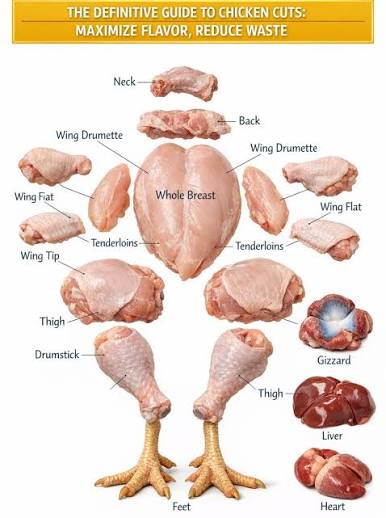
The Secret to Perfect Frozen Chicken Cuts vs Whole begins with recognizing that cuts and whole chickens respond differently to freezing, thawing, and cooking. Frozen chicken cuts, such as thighs, breasts, wings, and drumsticks, offer more surface area relative to volume, which means they freeze and thaw more quickly and cook more uniformly when handled correctly. Whole chickens, in contrast, present a larger mass with a thicker skin and denser interior, which can lead to uneven thawing and potential texture issues if not managed properly. By acknowledging these differences, you can tailor your approach to each format. The goal is to preserve moisture, avoid freezer burn, and ensure even heat distribution during cooking. With cuts, you often have more control over portioning, marination, and browning due to the smaller size, whereas a whole chicken requires strategies to penetrate the center without drying the exterior. This foundational understanding sets the stage for practical techniques that deliver the best possible results, whether you’re preparing a quick weeknight meal or planning a family feast. The Secret to Perfect Frozen Chicken Cuts vs Whole
Section: Thawing Techniques that Preserve Texture and Juiciness | Brazilian Poultry Exporter
The Secret to Perfect Frozen Chicken Cuts vs Whole reveals that thawing method is the single most influential step in preserving texture and juiciness. Cuts thaw more predictably when thawed slowly in the refrigerator, but timing varies by thickness and cut type. A general rule is to plan for 24 hours per 5 pounds of chicken, with breast portions thawing faster than bone-in thighs or drumsticks. For a quicker thaw, cold-water thawing can be effective if you change the water every 30 minutes and keep the chicken in a sealed bag to prevent leaching. When you thaw a whole chicken, it benefits from an extended thaw time and sometimes a partial thaw to facilitate removal from packaging and easy seasoning. Avoid thawing at room temperature, which invites uneven heating and potential bacterial growth. As you thaw, monitor for slight flexibility in the meat rather than softness, which signals completion for most cuts. Once thawed, pat dry to reduce moisture on the surface before cooking, which helps achieve a crisp exterior and even browning. In all cases, proper thawing preserves the integrity of the muscle fibers, helping retain natural juices during cooking. For optimal results, plan your thawing schedule ahead and prioritize safety, especially when handling raw poultry. The main takeaway is that disciplined thawing supports even cooking and better texture across both cuts and whole birds. The Secret to Perfect Frozen Chicken Cuts vs Whole
- Controlled refrigerator thawing times tailored to cut type
- Cold-water thawing with sealed packaging for faster results
- Avoidance of room-temperature thawing to prevent bacteria growth
- Surface pat-drying to improve browning and reduce steam during cooking
- Monitoring texture indicators rather than time alone
Conclusion: With thoughtful thawing, you set the stage for a moist interior and a beautifully browned exterior in both frozen chicken cuts and whole birds.
Section: Seasoning and Marinating Strategies for Frozen Chicken | Brazilian Chicken Supplier
The Secret to Perfect Frozen Chicken Cuts vs Whole emphasizes that seasoning strategy changes depending on whether you’re dealing with individual cuts or a whole bird. Frozen cuts benefit from dry rubs or light marinades that penetrate quickly due to their surface area. For breasts, thighs, or wings, apply salt, pepper, paprika, garlic powder, and a touch of acid such as lemon juice, allowing 15–30 minutes for surface flavor absorption before cooking. With a whole frozen chicken, consider longer-acting seasonings that penetrate gradually, such as a salt brine or a marinade that can withstand longer contact times. Brining a whole chicken ahead of freezing can also help lock in moisture for a juicier finish. If you freeze with spices, avoid overzealous application that can burn during high-heat cooking. For both formats, brining or marinating saves you from relying solely on surface browning for flavor, and helps ensure a deeper, more even flavor profile. The key is to balance salt concentration and acidity to avoid toughening the meat, particularly in lean cuts. After thawing, a quick re-season can sharpen flavors just before cooking. The primary idea here is to layer flavor strategically, using speed-friendly methods for cuts and more deliberate techniques for whole birds. The Secret to Perfect Frozen Chicken Cuts vs Whole
- Quick, surface-focused dry rubs for cuts
- Light marinades that penetrate quickly for fast-cook cuts
- Salt brine or simple brine for whole chickens to lock in moisture
- Marinades designed for longer contact with whole birds
- Mindful seasoning to avoid burning during high-heat methods
Conclusion: Seasoning is a crucial lever in The Secret to Perfect Frozen Chicken Cuts vs Whole, enabling both rapid flavor development in cuts and deeper, slower penetration in whole birds. The Secret to Perfect Frozen Chicken Cuts vs Whole
Section: Cooking Methods That Preserve Moisture and Texture | Frozen Chicken Wings Brazil
The Secret to Perfect Frozen Chicken Cuts vs Whole highlights that method choice dramatically affects outcome. For frozen cuts, quick-cooking methods such as pan-searing followed by finishing in the oven can yield a crisp exterior with a juicy inside. Start with a hot skillet, add a light amount of oil, sear on both sides, then finish in a preheated oven to an internal temperature of 165°F (74°C). This approach helps seal in moisture while delivering a desirable crust. Tapping into the middle of the meat is less risk-prone with smaller cuts due to their size. For a whole frozen chicken, consider roasting at a moderate temperature with a foil tent for the first half of cooking to prevent over-browning, then remove the foil for a crisp skin finish. A meat thermometer is essential; aim for 165°F (74°C) in the thickest part of the thigh or breast without touching bone. For both formats, resting the meat after cooking for 5–10 minutes allows juices to redistribute, enhancing overall tenderness. When time is tight, air frying frozen cuts can deliver fast, evenly cooked results with a crisp exterior. If you’re cooking a whole bird from frozen, you can use a low-and-slow strategy, but it will require longer cooking times and careful monitoring to avoid dryness. The core concept is to match heat intensity with cut size to maximize moisture retention and achieve a balanced texture.
- Pan-searing then oven finishing for cuts
- Roasting whole chicken with partial foil cover to prevent over-browning
- Measured internal temperature targets and rest periods
- Alternative: air frying frozen cuts for quick, crisp results
- Caution: longer cook times and careful monitoring for whole frozen birds
Conclusion: The right cooking method, tailored to whether you’re working with frozen cuts or a whole chicken, preserves moisture, promotes browning, and yields consistently delicious results. The Secret to Perfect Frozen Chicken Cuts vs Whole
Section: Freezer Management: Packaging, Labeling, and Preventing Freezer Burn
The Secret to Perfect Frozen Chicken Cuts vs Whole calls attention to freezer management as a foundational habit. Proper packaging reduces freezer burn and maintains quality over time. For cuts, separate portions into meal-sized packages, squeeze out as much air as possible, and seal tightly. Vacuum sealing is ideal, but high-quality freezer bags with a careful lay-flat technique work well too. Label packages with the date and cut type to track shelf life, typically up to 9–12 months for most cuts, depending on freezer conditions. Whole chickens benefit from thorough wrapping, ideally in a double layer of foil or a dedicated poultry bag to minimize exposure to air. If you plan to freeze a whole chicken after spatchcocking (removing the backbone to flatten for cooking), do so in airtight packaging to improve thawing efficiency later. Always freeze at or below 0°F (-18°C) to maximize quality. For a longer freezer life, consider wrapping cuts individually and placing them in a rigid container to reduce freezer burn. Rotating inventory with the oldest items used first ensures you don’t overlook older stock. The overarching message is that thoughtful packaging and labeling preserve flavor and texture across both formats.
- Individual portioning and air-tight sealing for cuts
- Vacuum sealing as a best practice
- Labeling with date and cut type
- Double-wrapping for whole chickens
- Freezer temperature management and inventory rotation
Conclusion: A disciplined freezer routine not only safeguards flavor and texture but also makes weeknight meal planning substantially easier. The Secret to Perfect Frozen Chicken Cuts vs Whole
Section: Safety and Handling to Prevent Contamination | Frozen Chicken Wholesale Supplier
The Secret to Perfect Frozen Chicken Cuts vs Whole underscores that safety is non-negotiable at every stage from freezing to plating. Always wash hands and sanitize surfaces after handling raw poultry. Keep a separate cutting board for meat to avoid cross-contamination with other foods. Thawing and cooking temperatures must be monitored with a reliable thermometer to confirm 165°F (74°C) in the thickest part. Never leave thawed poultry at room temperature for extended periods. If you notice any off smells, unusual color, or a slimy texture, discard rather than risk foodborne illness. For kids and elderly household members, extra caution is prudent due to increased susceptibility to contaminants. When handling frozen products, avoid refreezing thawed meat unless it has been cooked first. The core idea is to adhere to strict hygiene practices and verified temperatures to ensure the safety and quality of both frozen cuts and whole birds.
- Separate cutting boards and utensils for poultry
- Regular sanitizing of countertops and tools
- Thermometer use to verify 165°F (74°C)
- Avoiding room-temperature exposure of thawed poultry
- Safe handling guidelines for vulnerable household members
Conclusion: Safety practices protect you and your family, ensuring that The Secret to Perfect Frozen Chicken Cuts vs Whole remains about flavor, texture, and peace of mind. The Secret to Perfect Frozen Chicken Cuts vs Whole
Section: Practical Meal Planning and Time-Saving Tips | Frozen Chicken Breast Brazil
The Secret to Perfect Frozen Chicken Cuts vs Whole also shines when it comes to efficient meal planning. Frozen cuts are ideal for quick weeknight dinners: thaw in the fridge overnight or use a quick cold-water method, then sear and finish in minutes. With whole chickens, plan for a longer cooking window and consider batch cooking to maximize leftovers. Roasted chicken can be repurposed into salads, sandwiches, or soups, extending the value of a single bird. For meal prep, freeze pre-portioned marinades or seasoning blends alongside your cuts so you can simply thaw and cook with consistent flavor every time. If you’re short on time, a tray bake combining vegetables with seasoned cuts is a reliable one-pan solution that reduces cleanup. To optimize texture, reserve a portion of your frozen stock or pan drippings to enrich sauces or gravies. The overarching goal is to translate the flexibility of frozen cuts into fast meals while leveraging the steadier, longer-roasting approach of whole chickens when time allows.
- Quick thaw and pan-sear finish for cuts
- Batch cooking and repurposing whole chickens
- Pre-portioned marinades for consistent flavor
- One-pan tray bake for efficient weeknight meals
- Use of pan drippings and stock for flavorful sauces
Conclusion: Thoughtful planning turns The Secret to Perfect Frozen Chicken Cuts vs Whole into a practical kitchen workflow that saves time without sacrificing taste.
Conclusion: Elevating Your Frozen Chicken Game with The Secret to Perfect Frozen Chicken Cuts vs Whole
In this exploration of The Secret to Perfect Frozen Chicken Cuts vs Whole, you’ve learned how the size and form of poultry influence thawing, seasoning, cooking, and safety. The core ideas—careful thawing, smart seasoning, method-appropriate cooking, meticulous packaging, strict safety practices, and efficient meal planning—combine to deliver consistently delicious results. Whether you’re thawing quick-cook cuts for a weeknight dinner or roasting a whole frozen bird for a weekend feast, the same underlying principles apply: preserve moisture, achieve even cooking, and maximize flavor with thoughtful preparation. By applying these strategies, you can unlock restaurant-quality texture and depth in every bite, making frozen chicken a reliable ally in your culinary repertoire.
Final Thoughts: Mastery Across Formats | Frozen Whole Chicken Brazil
The Secret to Perfect Frozen Chicken Cuts vs Whole is not about choosing one path over another; it’s about recognizing the unique strengths and constraints of each format and leaning into practices that enhance quality for both. With cuts, you gain speed, control, and crisp browning. With whole birds, you gain flavor depth, roasting versatility, and batch-cooking potential. When you combine precise thawing, balanced seasoning, appropriate cooking techniques, and strict safety measures, you create predictable, delicious results. Embrace the differences, apply the shared principles, and you’ll consistently deliver chicken dishes that satisfy tastes while saving time in a busy kitchen. Your roadmap to perfect outcomes starts with thoughtful preparation, careful handling, and a willingness to tailor tactics to the format you’re working with today.
Conclusion Paragraph: A Practical Summit on Frozen Chicken Excellence
The Secret to Perfect Frozen Chicken Cuts vs Whole culminates in a practical, repeatable framework for achieving consistently delicious poultry, whether in cuts or as a whole. By prioritizing proper thawing, mindful seasoning, method-appropriate cooking, and careful freezer management, you transform ordinary frozen chicken into a reliable staple for flavorful meals. Sensible safety practices and efficient planning round out the toolkit, empowering you to cook with confidence and efficiency. When you respect the differences between cuts and whole birds while applying these shared techniques, you’ll enjoy moist interiors, crisp exteriors, and vibrant flavors every time. This balanced approach is your key to mastering frozen chicken, elevating everyday cooking into a dependable, delicious routine. The Secret to Perfect Frozen Chicken Cuts vs Whole
