
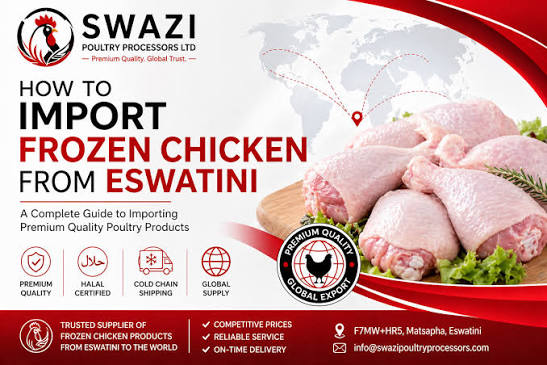
How to Import Halal Frozen Chicken: Required Certificates for Import
How to Import Halal Frozen Chicken. Importing halal frozen chicken can be a smart move for retailers, distributors, and foodservice providers seeking to meet growing consumer demand for ethically sourced poultry. However, navigating the regulatory landscape and certificate requirements is essential to avoid delays, rejection, or penalties at borders. This guide delves into the certificates typically required to import halal frozen chicken, why each certificate matters, and practical steps to ensure smooth clearance from the point of origin to your distribution network. By understanding these documents, you can streamline compliance, build trust with customers, and reduce the risk of shipment holds. Whether you’re a seasoned importer or new to halal compliance, this article offers a clear, actionable roadmap to help you secure the necessary paperwork with confidence.
Key certificates for halal frozen chicken imports| Brazilian Frozen Chicken
When planning an import of halal frozen chicken, several certificates are central to regulatory compliance and halal assurance. These documents verify product authenticity, safety, and legal eligibility for sale in the destination market. The main certificates typically include Halal Certification, Health Certificate or Certificate of Veterinary Inspection (CVI), International Sanitary and Phytosanitary (SPS) certificate, Free Sale Certificate, Certificate of Origin, and Import Permit or License. Each certificate addresses a different aspect of risk management and regulatory oversight. Securing these certificates in a coordinated fashion reduces bottlenecks at customs and helps you demonstrate a robust supply chain for halal consumers. Expect to coordinate with your supplier, a Halal Certification Body, and relevant government agencies to obtain and validate these documents before shipment. A proactive approach to certificate management can shorten lead times and support consistent product availability for your customers. How to Import Halal Frozen Chicken
Halal Certification: ensuring product legitimacy and consumer trust | Brazilian chicken supplier
Halal certification is the cornerstone of halal frozen chicken, validating that the product is prepared, processed, and packaged in accordance with Islamic dietary laws. Establishing halal integrity begins with supplier selection and ongoing oversight of slaughter methods, processing facilities, and handling practices. The Halal Certification should be issued by an accredited Halal Certification Body recognized in the destination country or by a widely recognized international certifier. The certificate typically accompanies the shipment or is referenced in the accompanying documentation to reassure inspectors and retailers. Halal claims are most credible when the certification includes facility approval, methods of slaughter, and conformity with halal standards across processing lines. This certificate reinforces consumer confidence and provides a verifiable audit trail for traceability. A strong Halal Certification strategy also helps differentiate your product in a crowded marketplace by signaling uncompromised compliance with halal ethics. In practice, you should verify the validity period, scope of certification, and any facility-specific notes included in the Halal Certificate. It’s wise to maintain a real-time record of supplier halal status and renewal dates to prevent gaps in compliance. A proactive import plan aligns halal assurance with quality and food safety standards, ensuring a seamless consumer experience and regulatory acceptance. In short, Halal Certification acts as the ethical passport for halal frozen chicken, enabling market access and brand integrity. How to Import Halal Frozen Chicken
Health and veterinary certificates: safeguarding animal health and food safety | Brazil frozen chicken supplier
A Health Certificate or Certificate of Veterinary Inspection (CVI) confirms that the poultry meets the destination country’s animal health requirements and food safety standards. This certificate is typically issued by the exporting country’s veterinary authority after an inspection of the birds, processing plants, and cold-chain handling. The CVI documents compliance with quarantine rules, vaccination status where applicable, absence of contagious diseases, and adherence to sanitary practices during slaughter and processing. It often includes details about the producer, lot or batch numbers, production dates, and the processing facility’s registration. For importers, a valid Health Certificate helps prevent delays caused by missing or inaccurate health information and provides a traceable link between the shipment and health assurances. In many markets, the Health Certificate must reflect the specific product type, packaging, and temperature controls used during transport. To minimize risk, coordinate with the supplier’s veterinary team early in the process to secure a CVI that matches the destination country’s requirements and aligns with the Halal Certification. A robust health clearance supports consumer safety, aligns with public health objectives, and strengthens the overall credibility of halal frozen chicken on the shelf. In conclusion, the Health Certificate is a critical line of defense against health-related import barriers and a key element of trustworthy halal supply chains. How to Import Halal Frozen Chicken
Sanitary and phytosanitary (SPS) certificates: cross-border biosecurity and compliance | Brazilian poultry exporter
SPS certificates underscore compliance with biodiversity, animal health, and plant health standards essential for international trade. For halal frozen chicken, the SPS certificate demonstrates that the product and its handling have not introduced pests, contaminants, or diseases into the destination market. While SPS requirements vary by country, they commonly verify that the product’s processing and packaging meet strict hygienic practices and that cold-chain integrity is maintained throughout transport. The SPS certificate often references the exporting country’s compliance with relevant international standards (such as Codex Alimentarius) and may require corroborating documents like the CVI and Halal Certification. Importers benefit from including an SPS certificate because it helps preempt border inspections and reduces the likelihood of shipment quarantine or rejection. The process typically involves collaboration with the exporter, the national veterinary authority, and the importer’s customs broker to ensure the certificate reflects the exact product, batch, and temperature control specifications. In practice, confirm the destination country’s SPS requirements, obtain the certificate from the exporting authority, and ensure it aligns with other documents for a smooth clearance. The SPS certificate serves as a crucial layer of protection for public health and a reliable signal of compliance for retailers and consumers. How to Import Halal Frozen Chicken
Certificate of Origin and commercial documentation: establishing provenance and market eligibility
How to Import Halal Frozen Chicken. A Certificate of Origin identifies where the halal frozen chicken was produced and processed, supporting reputable sourcing and compliance with trade agreements. For importers, the certificate helps clarify eligibility for preferential tariffs or reduced duties under free trade agreements, provided the product qualifies under the applicable rules of origin. The Certificate of Origin is often issued by a chamber of commerce or a government authority and may be required to accompany commercial invoices, packing lists, and other transport documents. Alongside origin documentation, commercial invoices, packing lists, and bill of lading provide the core metadata for the shipment: product description, HS codes, quantities, weights, and pricing. For halal frozen chicken, harmonized system (HS) codes help customs classify the product accurately and determine applicable duties and taxes. A complete set of origin and commercial documents reduces processing delays and supports accurate tariff treatment. When coordinating with suppliers, request a consistently prepared Certificate of Origin and ensure it matches the product details on the packing list and invoice. In the end, origin documentation clarifies provenance, supports trade compliance, and underpins trust with distributors and retailers. How to Import Halal Frozen Chicken
Import permits, licenses, and market access requirements | frozen chicken wholesale Brazil
How to Import Halal Frozen ChickenHow to Import Halal Frozen Chicken. Many destinations require an import permit or license to bring halal frozen chicken into the country. These authorizations are typically issued by the national agriculture, trade, or food safety authorities and may be contingent on product type, origin, and the presence of other certificates like Halal Certification and CVI. Some markets require pre-approval or notification before shipment, while others mandate post-arrival clearance following inspection. The permit may be tied to quotas, minimum remaining shelf-life, or specific storage and transportation conditions. As an importer, you should verify whether your target market requires an import permit for frozen poultry or halal products and confirm the correct procedure to obtain it. This process often involves submitting product specifications, supplier details, and copies of the other certificates to the relevant agency. By securing import permissions early and maintaining documentation, you minimize the risk of shipment holds or denied entry. Always maintain a current understanding of regulatory changes in your destination market, as permit requirements can evolve with food safety, religious freedom, and public health considerations. How to Import Halal Frozen Chicken
Documentation best practices: assembling a seamless certificate package | Brazilian frozen chicken breast
A well-organized documentation package accelerates border clearance and reduces the chance of miscommunication between parties. Start by compiling a master folder containing all certificates: Halal Certification, CVI/Health Certificate, SPS certificate, Certificate of Origin, and Import Permit (if applicable). Include purchase orders, commercial invoices, packing lists, and precise product specifications, including halal accreditation numbers, batch codes, and production dates. Ensure that all certificates reference the same shipment details—product description, HS code, quantity, and lot numbers—to prevent discrepancies during customs checks. Certificates should be current and valid at the time of shipment, with explicit expiry dates and renewal instructions. It’s wise to provide translations or certified copies if the destination country requires languages other than English. Keep digital copies accessible to your logistics team and printing-ready for the carrier or customs broker. In addition, maintain a record of certificate issuers, contact points, and expected processing times so you can anticipate and map out the shipment timeline. Systematic documentation reduces delays and supports a reliable halal frozen chicken supply chain from source to shelf. How to Import Halal Frozen Chicken
Logistics considerations: consolidation, cold chain, and timing | Frozen boneless chicken breast Brazil
Beyond certificates, successful import hinges on reliable logistics and uninterrupted cold chain management. Plan for appropriate temperature control during storage and transit to preserve halal integrity and product quality. Work with a logistics partner experienced in frozen poultry to ensure proper handling, packaging, and temperature monitoring throughout the journey. Align certificate validity with shipment timelines to prevent last-minute document issues that could trigger delays. Prepare for potential line-item verification by customs authorities, including the need to display certificates at receiving facilities. A thoughtful logistics strategy also considers lead times for certificate issuance, potential re-inspection, and the regulatory expectations of both exporting and importing countries. In practice, coordinate with suppliers, freight forwarders, and customs brokers to build a transparent process that tracks the shipment from cold storage to final destination. A robust cold chain practice prevents quality degradation, preserves halal integrity, and supports timely delivery to retailers and consumers. How to Import Halal Frozen Chicken
Common pitfalls and how to avoid them | frozen chicken wholesale supplier
How to Import Halal Frozen Chicken. Importers frequently encounter certificate-related setbacks that can derail shipments or increase costs. Common issues include expired certificates, inconsistent product descriptions across documents, incorrect HS codes, and missing or illegible signatures. In some cases, authorities require additional endorsements, such as product-specific halal attestations or batch-level health verifications. To avoid these problems, establish a proactive certificate management routine: schedule renewals well before expiration, verify that all documents reflect the exact product and batch details, and confirm that translators or certifiers meet destination country requirements. Build relationships with reputable Halal Certification Bodies, veterinary authorities, and competent authorities in your target market so that you have reliable support when needed. Maintain a pre-shipment checklist that mirrors the destination country’s entry requirements, and run internal quality checks that align product labeling and documentation. By anticipating challenges and maintaining meticulous records, you minimize risks and sustain a steady supply of halal frozen chicken to your customers. How to Import Halal Frozen Chicken
Case study: a streamlined import of halal frozen chicken with all certificates in order
How to Import Halal Frozen Chicken. Consider a hypothetical company importing halal frozen chicken into a market with strict halal labeling and health certification expectations. The importer collaborates with a recognized Halal Certification Body to validate facility practices and slaughter methods, secure a facility-level certificate, and ensure ongoing compliance. The exporting country’s veterinary authority issues a CVI after facility inspection and confirms disease control measures. The exporter coordinates an SPS certificate to validate sanitary practices during processing and packaging, while the Certificate of Origin confirms origin and eligibility for any trade preferences. An import permit is secured through the destination’s agricultural authority, and all documents are carefully aligned with product specifications, including batch numbers and HS codes. The shipment undergoes border checks, where the inspector cross-references Halal Certification, CVI, and SPS certificates with the invoice and packing list. Because each document matches the shipment’s details and is current, the process proceeds smoothly, and the product reaches distribution centers on time. This case highlights the value of proactive certificate management and cross-functional collaboration in achieving reliable halal frozen chicken imports. How to Import Halal Frozen Chicken
Practical steps to implement a compliant import process
- Define a sourcing strategy centered on Halal Certification: select suppliers with auditable halal practices and recognized certification bodies.
- Establish a certificate workflow: determine which documents are required for your destination market and set renewal reminders.
- Create a certificate-ready packaging approach: ensure certificates accompany shipments or are readily accessible to the importer and customs broker.
- Align health and sanitary documentation with the product’s packaging and lot information: verify that health data corresponds to the same batch.
- Build a risk management plan: include contingency steps for certificate delays, adverse health findings, or supply disruptions.
- Train internal teams: educate procurement, regulatory, and logistics staff on certificate requirements and how to verify authenticity.
- Maintain ongoing supplier audits: perform periodic checks to confirm halal integrity and certificate validity.
- Establish a communication protocol with authorities: know who to contact for urgent certificate verification or amendments.
- Invest in digital record-keeping: use a centralized system to store certificates with version control and expiry alerts.
- Regularly review regulatory changes: allocate time to monitor updates in halal standards, health regulations, and import laws.
Conclusion: Achieving reliable imports through certificates that strengthen trust | Brazil frozen chicken leg quarter exporter
How to Import Halal Frozen Chicken. Successfully importing halal frozen chicken hinges on a coordinated set of certificates that demonstrate halal compliance, animal and product safety, sanitary standards, and provenance. By prioritizing Halal Certification, CVI/Health Certificates, SPS documentation, Certificate of Origin, and any required Import Permits, importers can navigate border processes with confidence and minimize the risk of shipment delays. A well-organized documentation package and a proactive approach to certificate management build credibility with retailers, distributors, and consumers who value halal integrity. Emphasizing rigorous verification, clear communication, and reliable logistics creates a robust halal frozen chicken supply chain that sustains market trust and long-term success. With careful planning and ongoing compliance, your halal frozen chicken imports can meet demand efficiently while delivering peace of mind to customers and regulators alike.
Final note: a disciplined approach to required certificates helps you unlock practical market access for halal frozen chicken, ensuring a smooth journey from origin to shelves while reinforcing your brand’s commitment to halal ethics and food safety. How to Import Halal Frozen Chicken
