
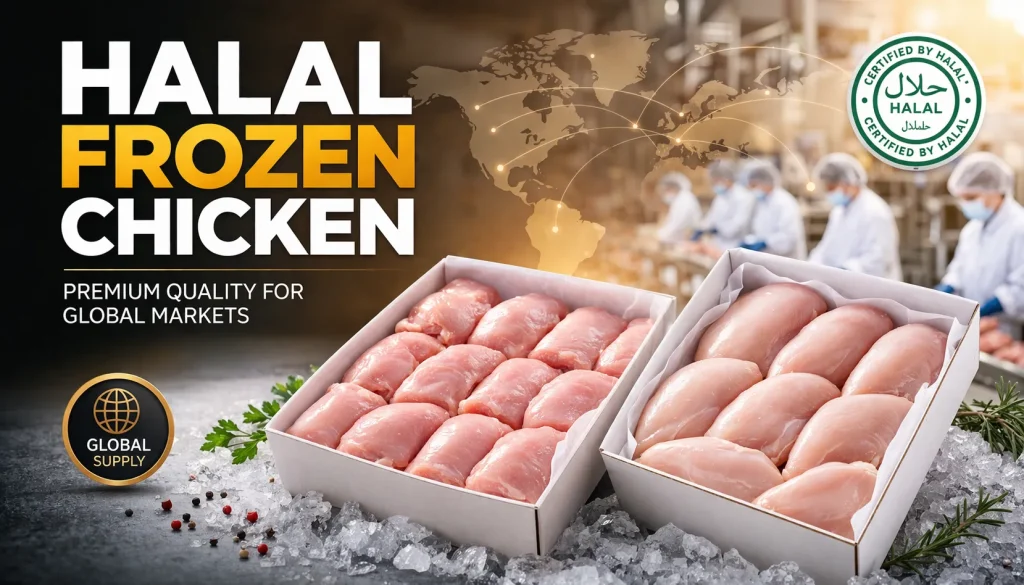
Halal Frozen Chicken Buying Guide: What Buyers Should Check
Halal frozen chicken is a staple for many households seeking compliant, convenient protein. This buying guide outlines the essential factors buyers should check to ensure both halal integrity and quality. From sourcing origins to processing standards, the right choices can impact flavor, safety, and nutritional value. By understanding certifications, handling practices, labeling, and storage considerations, shoppers can make informed decisions that align with dietary needs and budget. This guide serves as a practical roadmap for evaluating halal frozen chicken across different brands, markets, and product formats. Whether you’re feeding a family, meal-prepping for the week, or stocking up for hospitality needs, these insights help streamline your selection process and maximize value. Halal Frozen Chicken Buying Guide
Product Certification and Halal Verification | halal chicken wholesale supplier
Halal frozen chicken begins with credible certification and verification. Buyers should verify that the product bears valid halal certificates from reputable certifying bodies recognized in your region. Look for clear halal logos, certificate numbers, and issuing organization names on packaging or supplier documentation. It’s important to confirm that the certification covers the entire supply chain, including live animal origin, processing, and packaging facilities. Some certificates specify preferred methodologies, such as slaughtering practices and post-slaughter handling, which can influence compliance. In addition to third-party labels, consider supplier transparency—do they publish audit results, annual reports, or contactable halal coordinators? Verifying halal status before purchase reduces the risk of mislabeled products and ensures adherence to dietary standards. The broader impact of certification includes consumer trust, brand accountability, and consistent quality across product lines. In summary, check for current halal certificates, scope of certification, and accessible documentation to confirm authentic compliance. This diligence protects your dietary commitments and supports ethical sourcing practices. Halal Frozen Chicken Buying Guide
Product Source and Animal Welfare | Brazil halal chicken wholesale
Halal Frozen Chicken Buying Guide. Where halal frozen chicken comes from matters as much as how it’s prepared. Begin by examining farm origin, including country of growth and farm practices. Transparent labeling should disclose production regions, hatchery sources, and whether the birds were raised in controlled environments or free-range settings. Familiarize yourself with welfare standards that may influence flavor and texture, such as space per bird, access to clean water, and vaccination protocols. Some buyers prefer chickens raised without antibiotics or with specific feeding regimes; verify these claims through supplier disclosures or third-party audits. The connection between origin and halal compliance often hinges on traceability systems that track animals from farm to freezer. A robust traceability program allows you to confirm the exact batch, slaughter date, and facility involved in processing. When possible, choose suppliers who publish farm partner lists or offer farm-to-packaging transparency. Ultimately, understanding source and welfare practices helps ensure product quality, ethical considerations, and alignment with personal values. This awareness sets the stage for dependable flavor, texture, and consistency in your halal meals.
Slaughter Method and Processing Standards | frozen halal chicken from Brazil
Halal Frozen Chicken Buying Guide. The method of slaughter and subsequent processing are central to halal integrity. Buyers should confirm that the slaughter method aligns with halal principles recognized by credible authorities. This typically involves humane, swift, and permissible practices conducted by trained personnel. In addition to slaughter, verify post-slaughter handling, including rapid evisceration, minimal stress, and clean, sanitary processing environments. Packaging transitions, like deboning or portioning, should avoid mixing halal with non-halal products in ways that could compromise certification. It’s helpful to review facility hygiene practices, such as GMP (Good Manufacturing Practice) adherence, pest control, and sanitation schedules. Some products may be processed in multiproduct plants; ensure there are clear segregation and labeling to prevent cross-contamination. Temperature controls, freezing methods, and storage conditions during processing influence quality retention and safety. Understanding these standards helps you select chicken that remains tender, flavorful, and compliant from processing to plate. A clear grasp of slaughter and processing details empowers confident purchasing decisions and consistent cooking results. Halal Frozen Chicken Buying Guide
Product Form, Packaging, and Labeling Clarity | Brazil halal frozen chicken supplier
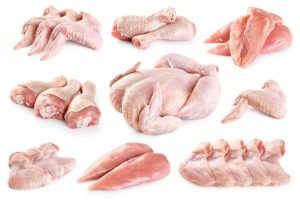
Halal Frozen Chicken Buying Guide. Packaging greatly affects convenience, freshness, and compliance. Begin by assessing the product form: whole chicken, cuts (breasts, thighs, drumsticks), nuggets, or value-added options. Consider the intended use, cooking method, and portion control when choosing between forms. Packaging should clearly display halal certification, product name, net weight, and ingredient list. Inspect for the presence of any additives, marinades, or preservatives, and verify that they are halal-certified or permissible within your dietary guidelines. Label accuracy is crucial; cross-check best-before or use-by dates, storage instructions, and cooking guidelines to avoid waste. Vacuum-sealed or airtight packaging helps preserve quality and minimize freezer burn, while easy-tear or portioned packaging can support convenient meal planning. Also, look for information about thawing methods, recommended cooking temperatures, and any allergen declarations. Transparent labeling reduces ambiguity and enhances confidence in the product’s compliance and usability. In short, prioritize clear halal certification, accurate ingredient lists, and practical packaging that matches your kitchen needs.
Shelf Life, Storage, and Freezer Quality | halal frozen chicken wholesale
Understanding shelf life and storage requirements is essential for maintaining halal integrity and quality. Examine the packaging for storage guidelines: whether the product is stored at -18°C (0°F) or lower, and the recommended freezer conditions to prevent ice crystals and texture changes. Note the stated shelf life in the freezer, as this influences planning and rotation in inventory. Freezer burn is a common quality concern; assess packaging integrity and sealing strength to minimize exposure to air. For consumer convenience, some products offer ready-to-cook options with shorter thawing times; weigh these against longer shelf-stable options for future use. Proper handling before freezing, including hygienic transport and rapid freezing, contributes to better texture and taste after cooking. If you purchase from bulk suppliers or bulk-packaged frozen chicken, ensure you have adequate freezer space and a first-in, first-out system to maintain freshness. By prioritizing correct storage and recognizing freezer-related quality changes, you’ll extend product life and preserve halal compliance from freezer to plate. This approach helps keep meals safe, flavorful, and economical.
Thawing and Cooking Guidance for Optimal Quality | buy halal frozen chicken Brazil
Effective thawing and cooking practices are crucial to preserve texture, taste, and safety. Begin by following package-specific thawing instructions, as improper thawing can compromise quality or increase bacterial risk. Most halal frozen chicken benefits from overnight refrigerator thawing or careful cold-water methods when time is limited. After thawing, use clean surfaces and utensils to prevent cross-contamination; sanitize workspaces and wash hands thoroughly before handling raw poultry. Cooking temperatures should reach safe internal levels; invest in a meat thermometer to verify doneness for various cuts. Consider marinades, spices, and cooking methods that enhance natural flavor while keeping halal ingredients in check. Some products may be pre-seasoned or marinated; ensure all additives remain halal-certified and compatible with your dietary preferences. Resting time after cooking can improve juiciness and texture, especially for larger cuts. By adopting precise thawing and cooking practices, you’ll enjoy tender, safe, and flavorful halal chicken that meets your expectations. These guidelines support consistent results and reduce waste, reinforcing the value of careful preparation.
Cost, Value, and Brand Reliability | Brazil frozen chicken supplier
Budget-conscious shoppers should evaluate cost, value, and brand reliability when selecting halal frozen chicken. Compare price per pound or kilogram across different brands and formats to determine true value. Don’t rely on price alone; consider quality indicators such as certification credibility, sourcing transparency, and processing standards that justify the premium or savings. Some brands offer batch-specific guarantees, extended shelf-life protection, or loyalty programs; weigh these benefits against your typical purchase frequency. Customer reviews, supplier reputation, and accessibility of halal documentation influence purchasing confidence. Seasonal promotions, bulk discounts, and membership programs can improve overall value without compromising compliance. Evaluate whether the packaging size fits your household needs and freezer capacity to avoid waste and optimize cost-per-meal. A balanced view of price, quality, and trust in the brand helps ensure you invest in reliable halal frozen chicken that aligns with your diet and budget.
Transportation, Handling, and Storage Logistics | Brazil halal chicken exporter
Logistics play a subtle yet important role in maintaining halal standards and product quality. From warehouse to home, each touchpoint should protect cold chain integrity. Check if the supplier uses validated cold-chain transport with continuous temperature monitoring and tamper-evident packaging during transit. For multi-location distribution, confirm that products are segregated to prevent cross-contact with non-halal goods. Upon delivery, promptly transfer products to a freezer to minimize exposure to warmth and potential bacterial growth. Store halal frozen chicken in a dedicated freezer compartment or clearly labeled area to avoid mix-ups. If you receive a shipment with compromised packaging or thawed portions, contact the seller for guidance or replacement and document the issue for quality assurance. Efficient handling reduces quality degradation and reinforces halal compliance from shipping to serving. Understanding logistical safeguards ensures that your chicken arrives in optimal condition and remains suitable for halal consumption.
Consumer Education and Brand Communication | Brazil frozen halal chicken exporter
Halal Frozen Chicken Buying Guide. Well-informed consumers benefit when brands communicate clearly about halal standards and product quality. Look for educational resources on supplier websites, including Q&A sections, downloadable halal certificates, and supply chain narratives. Transparent communication helps you ask informed questions about sourcing, processing, and certification, which strengthens trust. Brands that invest in consumer education often provide cooking tips, nutritional information, and allergen disclosures that support healthier choices. Active engagement through customer service channels, social media, and community forums can clarify uncertainties and build long-term loyalty. As a buyer, you gain peace of mind when brands demonstrate openness about testing methods, third-party audits, and corrective actions. Strong communication reinforces confidence in halal compliance and enhances the overall shopping experience.
Environmental and Ethical Considerations | frozen halal chicken supplier
Halal frozen chicken decisions increasingly intersect with environmental responsibility and ethical sourcing. Some buyers prioritize reduced carbon footprints, energy-efficient freezing technologies, and responsible water use at processing facilities. Look for supplier commitments to sustainable farming practices, humane treatment standards, and efforts to minimize waste. Certifications or partnerships with environmental organizations can provide third-party validation of these commitments. Ethical considerations may also include fair labor practices, safe working conditions, and transparent reporting of supply chain impacts. While halal compliance remains primary, aligning with environmentally conscious brands helps you support broader social values. A purchase grounded in both halal integrity and sustainability resonates with values-driven consumers and can influence brand preference over time. Halal Frozen Chicken Buying Guide
Conclusion: Practical Steps for Smart Halal Frozen Chicken Purchases
To summarize on Halal Frozen Chicken Buying Guide, selecting halal frozen chicken involves a structured approach that weighs certification, sourcing, slaughter and processing practices, labeling, storage, and value. Begin by verifying halal certificates and the scope of certification, then review origin and welfare details to ensure ethical and compliant sourcing. Examine slaughter methods and processing standards for alignment with halal expectations, followed by a careful assessment of packaging clarity and labeling accuracy. Prioritize proper storage, thawing, and cooking practices to preserve safety and quality. Consider cost, brand reliability, and consumer education as part of the decision-making process. Finally, reflect on environmental and ethical factors to support responsible purchasing. By applying these practical steps, you can confidently choose halal frozen chicken that meets dietary requirements, tastes delicious, and aligns with your values. Equipped with this buying guide, you’ll navigate the market with clarity and make meals that are both comforting and compliant. Halal Frozen Chicken Buying Guide
Shoppable Quick-Reference Checklist (What Buyers Should Check) | Brazil halal poultry exporter
- Halal certification validity: current, recognized body, and scope covering the entire supply chain.
- Source transparency: clear origin, farm practices, and traceability details.
- Slaughter and processing: humane, compliant methods; clean facilities; segregation if multiproduct plants.
- Ingredient and label clarity: accurate lists, no non-halal additives, clear nutrition and allergen info.
- Packaging integrity: sturdy seals, clear net weight, and readable best-by dates.
- Storage and thaw guidance: freezer temperature guidance, thawing methods, and cooking instructions.
- Freshness indicators: absence of freezer burn, color, and texture cues on packaging.
- Value and cost: price per unit, pack size, and warranty or support offers.
- Brand transparency: accessible certificates, audit results, and contactable halal coordinators.
- Environmental and ethical commitments: sustainability claims and labor practices.
Final note: By integrating these criteria into your shopping routine, you’ll consistently choose halal frozen chicken that is authentic, safe, flavorful, and responsibly produced. This disciplined approach helps ensure your meals are delicious, compliant, and aligned with your values, making it easier to enjoy halal poultry across many dishes and occasions. Halal Frozen Chicken Buying Guide
